9 Layered Haircuts That Add Volume to Thin Hair
· adam
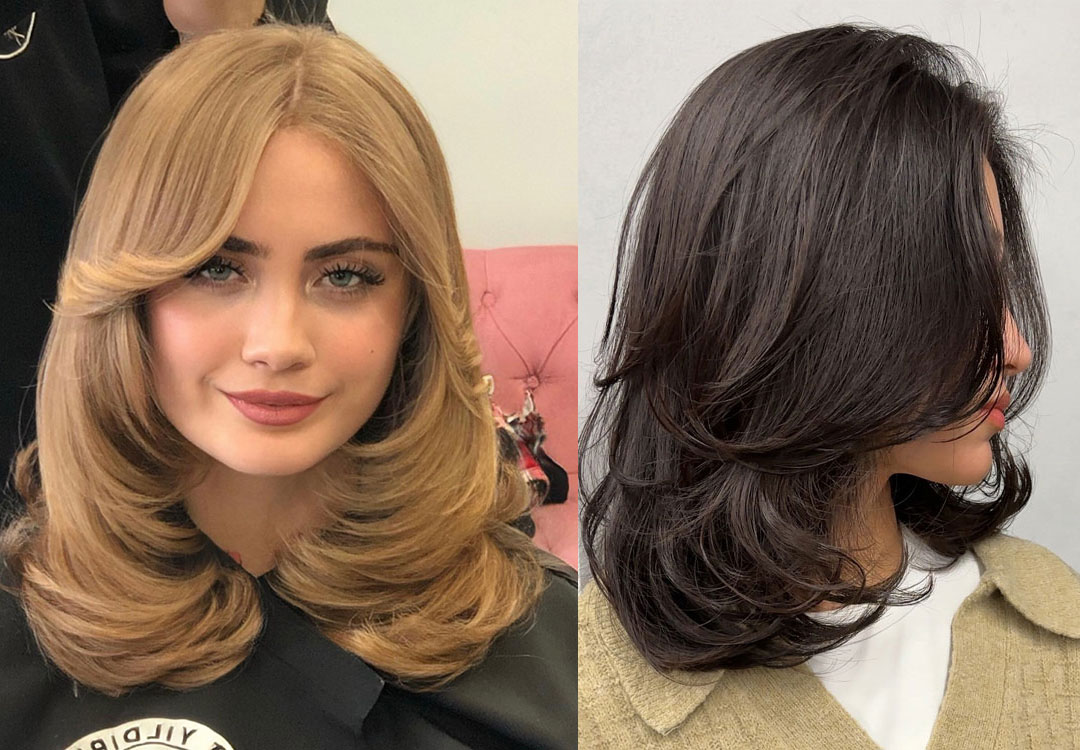
Thin hair can sometimes feel difficult to style, especially when it falls flat shortly after brushing or blow-drying. The right haircut, however, can make a noticeable difference. Layered haircuts for thin hair are designed to create movement, improve shape, and give strands a fuller appearance without requiring complicated styling routines.
From soft shoulder-length layers to textured pixie cuts, hairstylists have several ways to make fine or low-density hair look more voluminous. The secret is choosing layers that add dimension without removing too much weight. These nine layered haircuts offer flattering options for different hair lengths, face shapes, and personal styles.
1. Soft Layered Bob
The soft layered bob is one of the most flattering haircuts for thin hair because it combines a structured shape with gentle movement. Usually cut between the chin and shoulders, this hairstyle creates a fuller-looking outline while allowing the hair to move naturally.
Unlike heavily layered cuts, a soft layered bob uses minimal layering around the crown and ends. This helps prevent the hair from appearing stringy or overly thin.
Women with straight or slightly wavy hair may find this haircut particularly manageable. A round brush and lightweight volumizing mousse can help lift the roots and create a smooth, bouncy finish.
The soft layered bob also works well with a side part, which can add the appearance of extra height and volume around the top of the head.
2. Shoulder-Length Hair With Face-Framing Layers
Shoulder-length hair with face-framing layers is a practical choice for anyone who wants to keep some length while improving movement. The haircut features longer sections around the back and shorter pieces near the face.
These shorter layers can highlight the cheekbones and jawline while creating a softer overall appearance.
For thin hair, the key is keeping the layers subtle. Too many short layers can reduce density at the ends, making the hair look even thinner.
A stylist may recommend beginning the face-framing sections around the chin, depending on the person’s face shape and hair texture.
This hairstyle can be worn straight, curled, or styled with loose waves. It is especially appealing to women who prefer a versatile haircut that works for both casual and formal occasions.
3. Textured Pixie Cut
A textured pixie cut is an excellent option for people with thin hair who prefer a short, modern hairstyle. By keeping the sides and back relatively short while leaving additional length on top, this haircut can create the illusion of thicker hair.
The textured layers help separate strands and introduce movement, preventing the hairstyle from looking flat.
A slightly longer fringe can also make the haircut more versatile. It can be swept to the side, styled upward, or worn naturally across the forehead.
For everyday styling, a small amount of lightweight texturizing paste can help define the layers. Using too much product, however, may weigh down fine strands.
The textured pixie is particularly suitable for anyone looking for a fashionable haircut that requires relatively little styling time.
4. Long Layers With Curtain Bangs
Long hair can sometimes appear flat when it has very little shape. Adding carefully placed long layers and curtain bangs can introduce movement while maintaining most of the overall length.
Curtain bangs frame both sides of the face and blend into longer sections of hair. Their soft shape creates visual interest around the forehead and cheekbones.
For thin hair, hairstylists generally recommend keeping the longest layers relatively full. Excessive thinning or very short layers can make the bottom sections appear sparse.
A blow-dry with a medium round brush can help give curtain bangs a gentle outward curve.
This haircut is especially attractive for women who enjoy longer hairstyles but want something more flattering than a single-length cut.
5. Layered Lob With Blunt Ends
The layered lob, or long bob, is a popular haircut for thin hair because it offers the benefits of shorter hair without sacrificing too much length.
Usually falling around the collarbone, the lob provides enough weight to maintain a strong outline while allowing subtle layers to create movement.
Blunt ends are particularly important for fine or thin hair. They create a solid perimeter, which can make the bottom of the haircut appear denser.
Light internal layers can reduce stiffness and improve movement without compromising fullness.
This haircut works well with straight, wavy, and slightly curly textures. Styling it with loose bends through the middle sections can create the appearance of additional body.
The layered lob is also a convenient choice for people who want a haircut that can still be tied into a low ponytail.
6. Wispy Shag Haircut
The wispy shag offers a relaxed, textured appearance that can help thin hair look more lively. Inspired by traditional shag hairstyles, this modern version features softer layers and a lighter fringe.
Rather than using dramatic, heavily disconnected layers, a wispy shag relies on controlled layering to introduce movement around the crown and face.
The haircut works particularly well for people with naturally wavy hair because the layers can encourage existing texture to become more noticeable.
A lightweight styling foam or texture spray can enhance the tousled appearance without making the hair feel stiff.
However, this style requires careful customization. People with very low-density hair may benefit from fewer layers to preserve fullness around the ends.
When cut correctly, the wispy shag creates an effortless hairstyle that feels youthful, casual, and modern.
7. Short Layered Crop
The short layered crop is a flattering option for thin hair because its compact length can help reduce the appearance of flat, weighed-down strands.
This haircut generally features short sides, a slightly longer crown, and carefully blended layers throughout the top.
The additional length around the crown provides styling flexibility and can create visible lift when blow-dried upward.
A short layered crop also allows the natural shape of the head and facial features to stand out.
Women who prefer low-maintenance hairstyles may appreciate how quickly this haircut can be washed and styled.
For added texture, a small amount of volumizing powder applied near the roots can provide temporary lift. Regular trims help maintain the shape and prevent the hairstyle from becoming heavy around the sides.
8. Butterfly Haircut With Soft Layers
The butterfly haircut is known for its flowing, face-framing layers that create the appearance of movement and volume. Although the traditional version often works best on medium to thick hair, a modified butterfly cut can also suit fine hair.
For thinner strands, hairstylists may recommend longer, more blended layers rather than dramatic differences in length.
The shorter face-framing pieces create shape around the cheekbones, while the longer sections preserve the overall appearance of length.
This haircut looks especially attractive when styled with a round brush or large rollers to create soft, outward movement.
People with very thin hair should avoid excessive layering throughout the lower sections, as this can make the ends appear less dense.
A customized butterfly haircut offers an elegant option for anyone who wants a layered hairstyle with a soft, flowing finish.
9. Graduated Bob With Crown Layers
The graduated bob is a structured haircut that can create the appearance of additional volume, particularly around the back of the head.
It features shorter sections near the nape and gradually longer hair toward the front. Carefully placed crown layers help build a rounded shape without requiring heavy styling.
This haircut is particularly useful for fine, straight hair that tends to lie close to the scalp.
The stacked shape at the back can create the impression of fullness, while the longer front sections provide a flattering frame around the face.
A round brush and gentle root lift during blow-drying can emphasize the haircut’s natural structure.
Because the shape depends on precise cutting, regular salon appointments are helpful for keeping the graduated bob looking neat and balanced.
How to Choose the Best Layered Haircut for Thin Hair
Choosing the right layered haircut depends on hair density, strand thickness, natural texture, and preferred length. Fine hair and thin hair are not exactly the same. Fine hair refers to individual strands with a small diameter, while thin hair describes lower overall hair density.
This distinction matters because a person can have fine strands but plenty of hair, or thicker strands with relatively low density.
For hair with limited density, subtle layers and fuller ends are often more flattering than heavily feathered styles. Shorter cuts such as pixies and bobs can also help create a compact, fuller-looking shape.
Medium-length hairstyles benefit from soft face-framing layers, while longer hair generally requires careful layering to avoid removing too much weight.
Styling products also play an important role. Lightweight mousse, root-lifting spray, and occasional dry shampoo can help improve the appearance of volume. Heavy oils and thick creams may make fine strands appear flatter.
A professional hairstylist can assess how the hair naturally falls and recommend the most suitable cutting technique.
It is also worth remembering that haircuts create visual fullness rather than increasing the number of hair strands. Anyone experiencing sudden or significant hair thinning should consider speaking with a dermatologist to investigate possible causes.
The best layered haircuts for thin hair combine thoughtful shaping, manageable length, and natural movement. Whether you prefer a textured pixie, a soft layered bob, or a longer butterfly-inspired style, the right cut can make everyday styling easier while giving hair a noticeably fuller appearance.
Leave a Reply