
Hamiso Tabuai-Fidow Parents: His Father, Mother and Family Roots
· adam
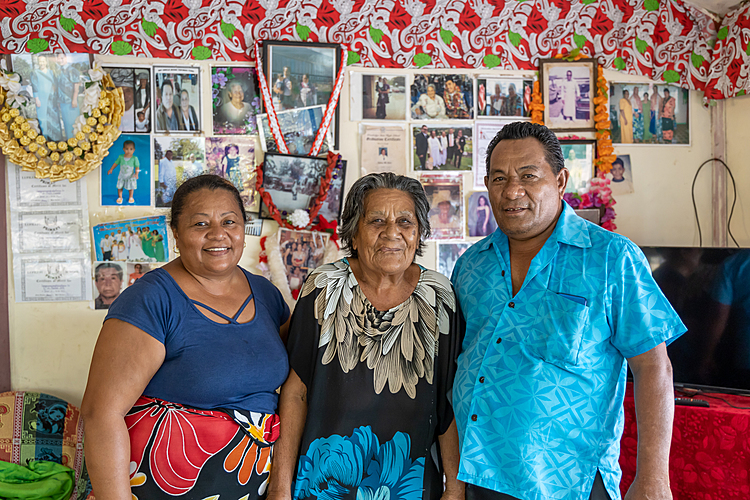
Hamiso Tabuai-Fidow’s father is Simon Fidow, who has Samoan roots in the village of Lufilufi, while his mother has Torres Strait Islander heritage connected to Saibai Island. Known throughout rugby league as “Hammer,” the Australian-born footballer has spoken proudly about both sides of his family and the importance of representing his culture through the game.
His mother is identified as Karina in an Australian Associated Press family profile, although another AAP report uses Karin. Her Torres Strait Islander background is consistently documented, while Simon’s Samoan heritage explains Hamiso’s family connection to Toa Samoa.
The story of Hamiso Tabuai-Fidow’s parents reaches beyond the question of names. It includes a childhood in Cairns, relatives who helped inspire his love of rugby league, and a village in Samoa where his selection brought pride to members of his extended family.
Who Are Hamiso Tabuai-Fidow’s Father and Mother?
Simon Fidow is the parent through whom Hamiso traces his Samoan ancestry. His family’s connection to Lufilufi has become particularly meaningful when Hamiso has represented Samoa on the international stage.
Hamiso has also explained that his father grew up in New Zealand. These details describe different parts of the same background: Simon’s Samoan heritage and the country where he spent his upbringing.
For Hamiso, that family history provides a personal connection to Samoa. Wearing the national jersey carries meaning beyond selection for another representative team because it acknowledges the people and community connected to his father.
His mother’s heritage links him to the Torres Strait Islands, particularly Saibai. Hamiso has publicly described a strong connection to that side of his family and has spoken about the importance of rugby league within the community.
These two backgrounds should be understood together. His Samoan ancestry and Torres Strait Islander identity are both parts of his family story, alongside being born and raised in Australia.
They also help explain the different representative opportunities associated with his career. International rugby league, State of Origin and the Indigenous All Stars involve different forms of representation, each carrying its own significance.
Hamiso’s comments about his mother’s family have emphasized connection rather than simply eligibility. He has described the strength of the culture and the enthusiasm people have for playing and following rugby league.
That makes his background more personal than a list of teams or countries might suggest. Family identity is something he has spoken about directly, rather than a connection inferred only from his surname.
His parents also supported him when he faced an important sporting decision. As a talented young athlete, Hamiso had opportunities across rugby league, rugby union and Australian rules football.
According to an AAP profile, they encouraged him to follow the sport he loved. Rugby league was his first preference, influenced partly by watching his father and uncles play.
That detail gives Simon a direct place in Hamiso’s early sporting memories. Before professional contracts and representative jerseys, the game was something he knew through members of his family.
It also shows the practical importance of parental encouragement. Their advice allowed the decision to center on his own attachment to the sport rather than simply choosing whichever opportunity appeared most impressive.
Hamiso’s upbringing in Cairns remains another part of this story. His family background connects different communities, while his early sporting development took place in North Queensland.
Public information about his parents focuses mainly on heritage and their support for his sporting choices. Their occupations, financial circumstances and detailed personal histories are not widely established in the reporting reviewed.
The clearest account is that Simon Fidow connects Hamiso to Samoa and Lufilufi, while his mother connects him to Saibai Island and Torres Strait Islander culture. Both sides belong in any accurate explanation of his family background.
Neither connection needs to overshadow the other. Hamiso’s own comments show that he values the different communities represented within his family, even when the immediate sporting conversation focuses on one particular jersey.
His Lufilufi Relatives and Samoa’s Historic World Cup Run
Hamiso’s extended family in Lufilufi became part of the public story during Samoa’s historic Rugby League World Cup campaign in 2022. The tournament retained its 2021 branding after being postponed, which can sometimes cause confusion when older reports are revisited.
The family report supplied for this article was written before Samoa’s final against Australia. Its references to an approaching match and celebrations following the semifinal belong to November 2022, rather than a new or upcoming fixture.
Samoa reached that final by defeating England, creating an emotional moment for supporters at home and abroad. In Lufilufi, relatives spoke about the pride they felt in seeing players acknowledge their Samoan roots.
The village had connections to several members of the squad, including Hamiso, Jaydn Su’a and Izack Tago. That shared local connection gave residents more than one reason to follow the team closely.
When the Samoa Observer visited, the response illustrated how a national sporting achievement could also feel deeply local. The players were representing Samoa, but their relatives also saw their own village reflected in the team.
Hamiso’s granduncles, Faamatuainu Aitupe and Faamatuainu Togiai, were among the relatives who expressed their happiness. They identified his grandmother as Upulua Soonalafo and explained that she was their sister.
Those names describe his extended family, not his parents. Keeping the generations clear matters because the original report discusses several players and moves between different family homes.
The same applies to the reference to Liumalo Samuelu in the supplied text. That name appears in the discussion of Izack Tago’s family and should not be presented as the name of Hamiso’s father.
There is also an inconsistency within the older report’s description of Hamiso’s relatives. One passage calls the Lufilufi family maternal, while another refers to his paternal family.
Later reporting identifying Simon Fidow as Samoan and linking him to Lufilufi provides the clearer basis for describing Hamiso’s connection to the village through his father. His mother’s documented family connection is to the Torres Strait Islands.
The relatives’ message was broader than genealogy, however. They expressed appreciation for the sporting opportunities available to players in the countries where they lived, while celebrating their decision to represent Samoa.
That combination is central to the account. Their pride in the Samoan jersey did not require dismissing the coaching, competition and development systems that helped the players reach international rugby league.
They also spoke about the recognition the team brought to their village. For families watching from Lufilufi, the World Cup offered a chance to see familiar names and family connections become part of an international sporting story.
Hamiso’s individual experience of the tournament needs one further clarification. He suffered an ankle injury in Samoa’s opening match against England, which cut short his campaign.
His inclusion in the squad and his family’s pride should therefore be distinguished from playing in the semifinal or final. The supplied report celebrates the wider team’s achievement and the relatives’ connection to the players.
Australia ultimately won the final, but Samoa’s appearance remained a landmark achievement. The disappointment of the result did not remove the significance of reaching that stage or the emotional response described in Lufilufi.
For Hamiso’s relatives, representing Samoa was an acknowledgment of family roots. For Hamiso, his wider story also includes the Torres Strait Islander heritage he honors through his mother’s family.
That is what makes his parents’ background so relevant to understanding him. Simon’s Samoan ancestry, his mother’s Saibai connection and the encouragement he received while growing up all form part of the life behind the player known as Hammer.
Leave a Reply